
NEED HELP?
1-888-976-5443
help@outboundpower.com
NEED HELP?
1-888-976-5443
help@outboundpower.com

A portable power station gives you a rechargeable source of electricity wherever you need it. Unlike a traditional fuel-powered generator, a portable power station stores electricity in a battery and can provide power through AC outlets, USB ports, and DC connections.
That makes portable power stations useful for much more than emergencies. They can keep essential devices running during outages, provide electricity while camping or traveling, power equipment away from an outlet, and even become part of a larger solar or home backup system.
If you have been wondering whether a portable power station is worth buying, here are 10 of the most practical reasons to own one.
One of the biggest reasons to own a portable power station is simple: the power can go out when you least expect it.
Storms, extreme weather, equipment failures, wildfires, and problems with the electrical grid can all interrupt utility power. A charged portable power station gives you an immediate source of backup electricity without having to start a fuel-powered generator.
Depending on the size of your power station, you may be able to keep essentials such as refrigerators, lights, internet equipment, phones, computers, televisions, fans, and other devices operating during an outage.
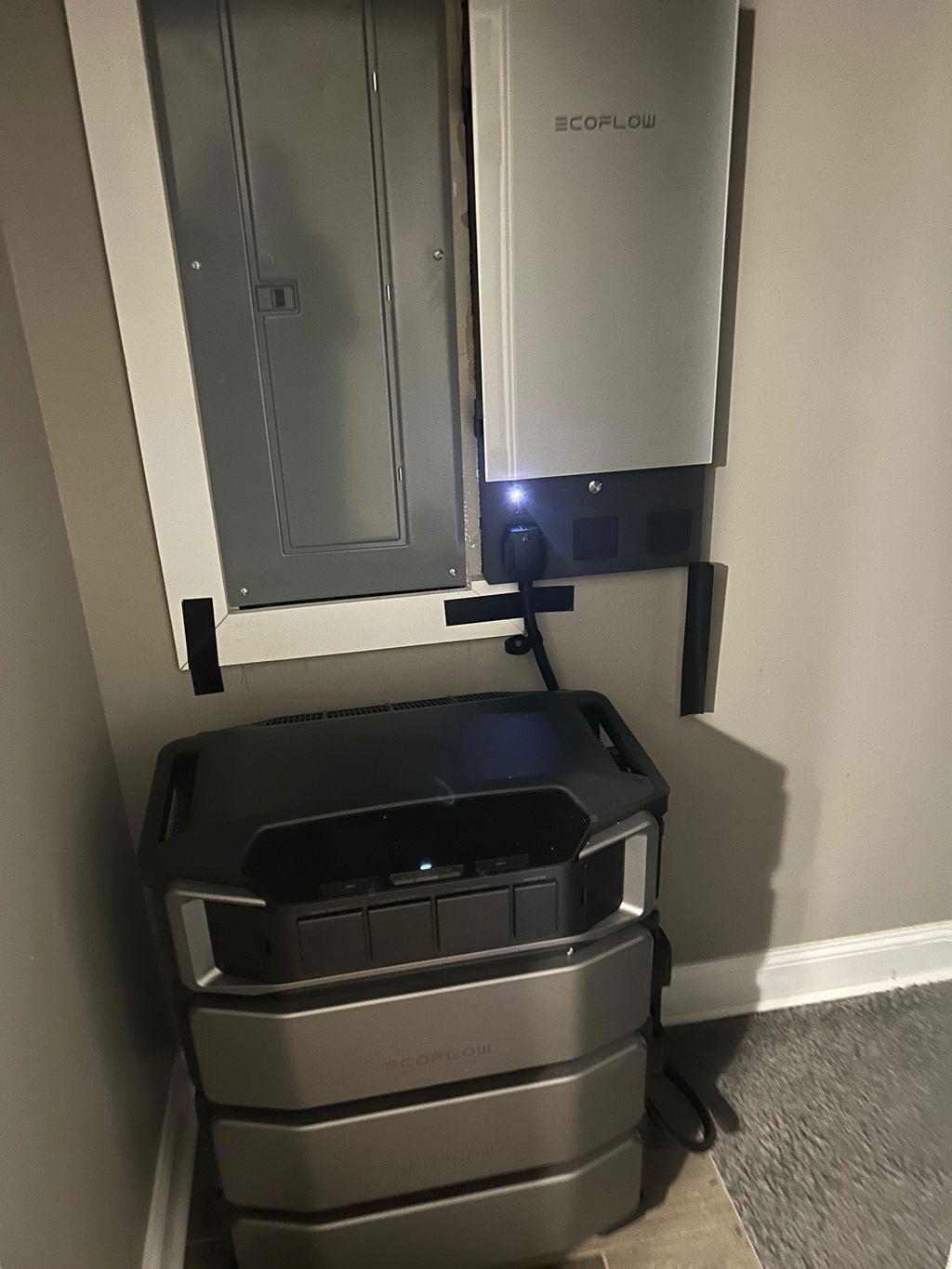
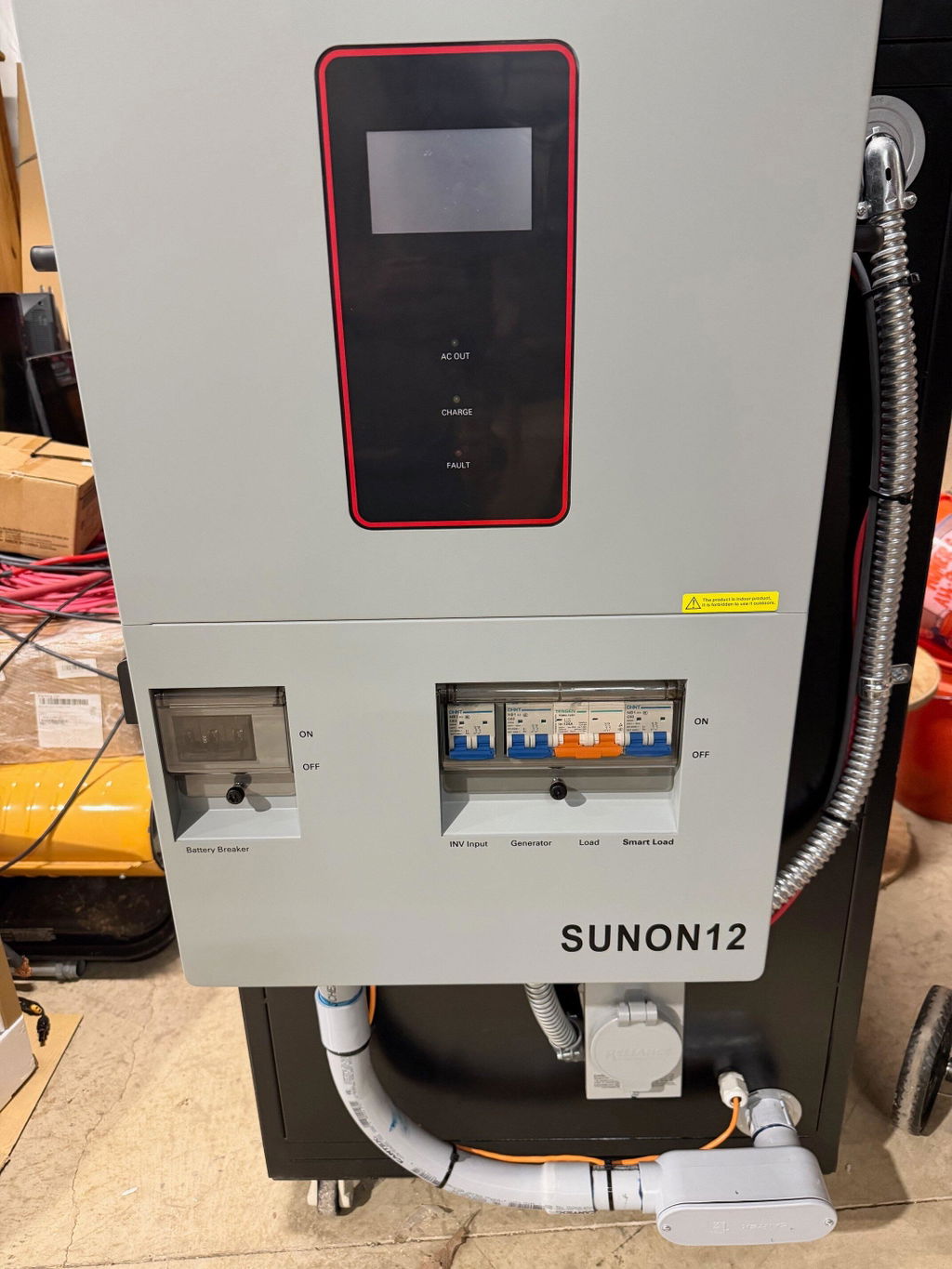
Larger portable power stations can support considerably more demanding appliances and longer runtimes, while some expandable systems can even be integrated into more advanced home backup configurations.
A power outage does not just turn off the lights. It can also take away many of the tools you use to communicate, work, and receive information.
A portable power station can keep phones charged, laptops running, internet routers online, radios powered, and other important electronics available when utility power is unavailable.
This can be especially valuable if you work from home or need reliable access to weather alerts, emergency information, family members, or coworkers.
If you plan to use a portable power station with equipment such as a CPAP machine or another medical device, always confirm the device's electrical requirements and follow the equipment manufacturer's guidance. Critical medical equipment may require a dedicated or professionally specified backup solution.
Traditional generators use an internal combustion engine, so noise is part of the experience.
Portable power stations operate from stored battery power instead. Although their cooling fans may turn on under heavier loads or while charging, they are generally far quieter than fuel-powered generators.
That makes them especially useful at night, around campsites, inside RVs, at tailgates, in residential neighborhoods, or anywhere generator noise would be disruptive.
They also do not produce gasoline, propane, or diesel engine exhaust while supplying power, which makes them much more practical for many indoor applications. Always follow the manufacturer's operating and charging instructions for your specific unit.
Portable power stations are designed to be straightforward.
Charge the battery, turn the unit on, connect your devices, and monitor your remaining capacity through the display or, on many newer models, a mobile app.
There is no gasoline to store, engine oil to change, carburetor to maintain, or pull cord to start.
That simplicity makes a portable power station appealing to people who want backup electricity without taking on the maintenance requirements of an engine-driven generator.
You still need to take care of the battery, keep the unit within its recommended storage and operating temperatures, and recharge it periodically according to the manufacturer's instructions.
Portability is one of the biggest advantages of this type of power system.
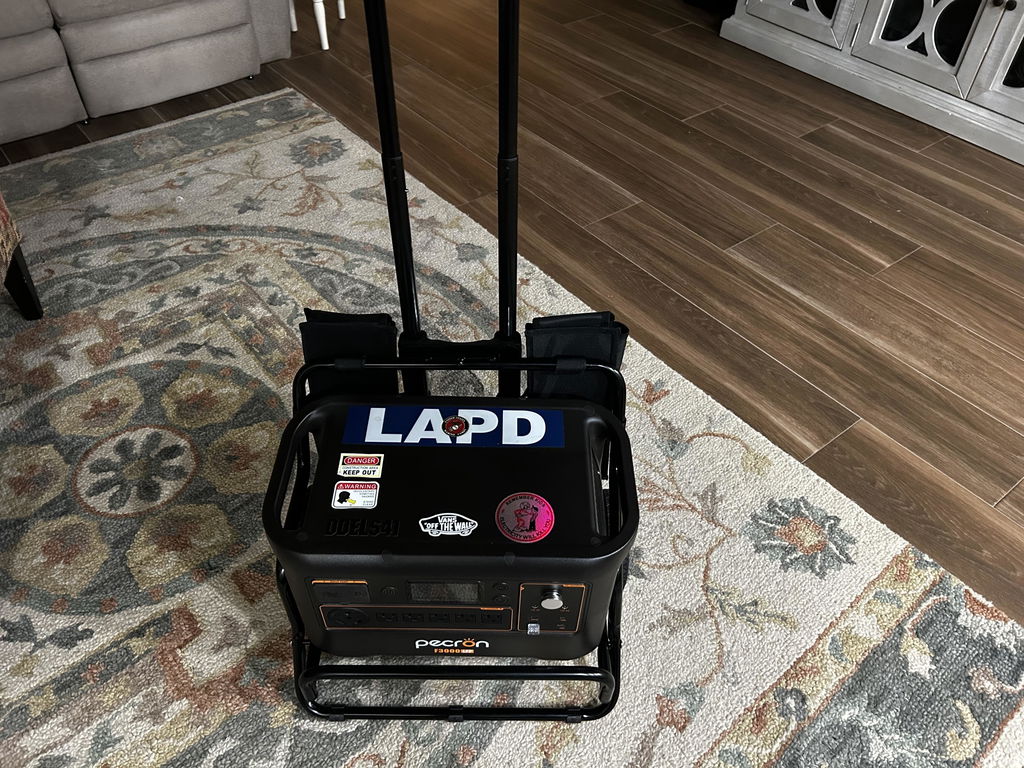
Smaller portable power stations can be easily carried from room to room or loaded into a vehicle. Larger systems may include integrated handles and wheels that make it easier to move significantly more battery capacity.
You can use one in the house during an outage, take it camping the next weekend, bring it to a tailgate, use it in an RV, or provide electricity at a location where a wall outlet is not available.
The right size depends heavily on how you plan to use it. A lightweight 500Wh power station and a 3,000Wh expandable system solve very different problems.
Skip the guesswork. Answer a few quick questions about your power needs and our Portable Power Station Quiz will help narrow down the best options for your situation.
TAKE THE PORTABLE POWER STATION QUIZPortable power stations are extremely useful anywhere you want the comforts of electricity without being connected to the grid.
While camping or traveling, you can use one to power or charge equipment such as:
Because there is no running engine, you also avoid much of the noise and fuel handling associated with a conventional generator.
The key is selecting a power station with enough battery capacity for your desired runtime and enough continuous AC output for the equipment you plan to operate.
Modern portable power stations can often be recharged in several different ways.
Depending on the model, these may include:
For everyday use and emergency preparedness, the simplest approach is usually to keep your power station charged from a wall outlet and ready when you need it.
Solar and vehicle charging become especially valuable during extended outages, road trips, RV travel, camping, and off-grid use.
Portable power stations are not just for recreation and emergency backup. They can also provide electricity for work.
Contractors, mobile businesses, photographers, event crews, property owners, and people working in remote locations can use portable power stations when utility power or convenient electrical outlets are unavailable.
Depending on the output of the unit, a power station may support battery chargers, lights, computers, communications equipment, power tools, pumps, and other jobsite equipment.
High-powered tools can have substantial running and startup requirements, so always compare the tool's actual electrical specifications with the continuous and surge output of the power station.
Many portable power stations can be connected to compatible solar panels, giving you another way to replenish the battery when utility power is unavailable.
This does not mean a solar panel instantly creates unlimited electricity. Solar production changes with available sunlight, weather, panel orientation, temperature, and the capabilities of the power station's solar input.
But a properly sized solar setup can significantly extend how long you can remain away from the electrical grid.
This can be especially useful for cabins, RVs, camping, emergency preparedness, remote jobsites, and other situations where access to AC power is limited.
Emergency preparedness may be the reason you initially buy a portable power station, but it does not have to spend the rest of the year sitting in a closet.
The same power station can be used for backyard events, camping trips, tailgates, RV travel, remote work, outdoor projects, road trips, mobile businesses, and everyday charging.
That versatility is one of the strongest arguments for choosing a portable power station over a backup system that serves only one purpose.
Many newer power stations are also expandable, allowing you to add battery capacity or accessories later rather than buying an entirely new system as your needs increase.
Portable power stations come in a huge range of sizes and capabilities. Before choosing one, answer these questions first.
Start by making a list of everything you realistically want to run.
For home backup, that might include a refrigerator, internet router, lights, phones, laptops, television, CPAP machine, sump pump, or other essentials.
For camping or RV travel, your list may include an electric cooler, lights, electronics, fans, cooking equipment, or RV appliances.
Knowing what you want to power is the foundation for every other decision.
Battery capacity and power output are not the same thing.
AC output, measured in watts (W), determines what your power station can operate at one time.
Add together the running wattage of the devices you expect to operate simultaneously. Then check whether any of those devices have motors, pumps, compressors, or other components that require additional startup power.
Your power station needs enough continuous output for the normal load and enough surge capability for applicable startup demands.
Battery capacity, usually measured in watt-hours (Wh), helps determine how long your equipment can run.
A 2,000Wh battery does not automatically make a power station more powerful than a 1,000Wh model. It simply stores more energy.
For a complete walkthrough, see our guide to selecting the right size portable power station.
More capacity normally means more weight.
If you plan to carry your power station frequently, weight and dimensions can be just as important as battery size.
If the system will primarily remain at home, a larger unit with wheels may be perfectly practical and give you substantially more backup capability.
Think about where you will use the power station and how quickly you need to restore the battery.
Compare AC charging speed, solar input, vehicle charging, generator compatibility, and any other supported charging methods that matter for your application.
This becomes especially important for extended outages and off-grid use, where recharging the battery may matter just as much as its original capacity.
Depending on how you plan to use your portable power station, consider features such as:
Price matters, but the least expensive power station is not necessarily the best value.
Compare the capabilities you actually need rather than shopping on battery capacity or price alone.
A smaller, better-suited power station may be a smarter purchase than a much larger system you rarely use. On the other hand, buying too little capacity or output can leave you replacing the system sooner than expected.
The goal is to find the best balance of capacity, output, portability, charging capability, reliability, warranty, and price for your particular situation.
You do not have to compare every watt, watt-hour, port, and charging specification yourself. Take our quick quiz and narrow down the portable power stations that best match how you actually plan to use them.
TAKE THE PORTABLE POWER STATION QUIZFor many people, a portable power station is one of the most versatile ways to add backup and mobile electricity without the fuel, engine noise, and maintenance requirements of a traditional generator.
It can help keep important devices operating during an outage, provide power while camping or traveling, support outdoor events and remote work, and give you access to electricity in places where an outlet simply is not available.
But choosing the right one matters. Think about what you want to power, how many watts your equipment requires, how long you need it to run, and how much weight you are comfortable moving.
Browse our complete selection of portable power stations, or take our Portable Power Station Quiz to narrow down the best options for your needs.
Reach out to our friendly power experts and we will be happy to help you determine which system is the right fit.
Toll-free & text: 888-976-5443
Email: support@outboundpower.com
placeholder