
NEED HELP?
1-888-976-5443
help@outboundpower.com
NEED HELP?
1-888-976-5443
help@outboundpower.com

A sump pump is one of the most important pieces of equipment in a home with a basement or crawl space. When heavy rain, melting snow, or rising groundwater sends water toward your foundation, your sump pump helps move that water safely away from your home.
But there is one major problem.
The times when you need your sump pump most are often the same times when the power is most likely to go out.
That is why a sump pump battery backup is such an important layer of protection. A backup system helps keep your sump pump running during a power outage, pump failure, or severe storm event, reducing the risk of basement flooding when your home is most vulnerable.
In this guide, we’ll explain what a sump pump battery backup is, how these systems work, what types of backup options are available, how long they can run, and how to choose the right backup power solution for your home.

A sump pump battery backup is a system designed to keep water moving out of your sump pit when your primary sump pump cannot operate normally.
In most homes, the main sump pump runs on standard household electricity. That works well under normal conditions, but if the power goes out during a storm, the pump may stop working completely. If water continues entering the sump pit, it can quickly rise and overflow into the basement.
A battery backup system helps prevent that from happening.
Depending on the type of system, a sump pump battery backup may either power your existing sump pump or operate a separate battery-powered backup pump. In both cases, the goal is the same: keep the basement protected when the main system cannot keep up or cannot run.
There are a few common ways homeowners use a sump pump battery:
Each approach has advantages, and the right choice depends on your home, your sump pump, your flood risk, and how long you want backup power to last.
A sump pump is easy to forget about until it stops working. Unfortunately, even a reliable sump pump can fail at the worst possible time.
Common sump pump problems include:
The most obvious issue is a power outage. If your sump pump depends entirely on grid power and the electricity goes out, the pump cannot run. During a heavy storm, that can become a serious problem very quickly.
Backup power for a sump pump gives your home an added layer of protection. Instead of relying only on the power grid, you have another source of energy ready to keep the pump operating.
This is especially important if:
A good sump pump backup system is not just an emergency accessory. It is a preventative tool that can help protect your home from expensive water damage.
A sump pump backup system is designed to activate when your primary pump cannot keep up, loses power, or fails to operate.
The exact setup depends on the type of system, but most backup systems include some combination of the following components:
In a typical battery-powered backup pump system, a second pump is installed in or near the sump pit. This backup pump has its own float switch. If the water rises above the normal operating level, the backup pump turns on and runs from battery power.
In a battery backup power system for an existing sump pump, the battery and inverter supply power to your primary pump when utility power is unavailable. When the grid is working, the system keeps the battery charged. When the power goes out, the system switches to stored battery power.
Some systems also include alarms or app-based notifications. These can alert you when the backup system activates, when the battery is low, or when maintenance is needed.
The most important thing is automatic operation. A sump pump backup system should be ready before the storm starts and should activate without you needing to be home.
There are several ways to provide battery backup for a sump pump. Understanding the differences will help you choose the right system for your home.

A battery-powered backup sump pump is a separate pump installed in addition to your main sump pump.
This type of system usually includes a backup pump, a deep-cycle battery, a charger, and a float switch. If the water level rises too high or the main pump stops working, the backup pump turns on automatically.
The biggest advantage of this setup is redundancy. You are not only adding backup power; you are also adding a second pump. That can be valuable if your primary pump fails mechanically, gets overwhelmed, or has a float switch problem.
A battery-powered backup sump pump may be a good choice if:
The limitation is that this system is usually dedicated only to the sump pump. It will not power other appliances, lights, refrigerators, internet equipment, or home backup loads.
Another option is to use a battery and inverter system to power your existing sump pump.
In this setup, the battery backup does not use a separate pump. Instead, it supplies power to your current pump when the electricity goes out. This can be a simple and effective solution if your current sump pump is reliable, properly sized, and in good working condition.
This kind of battery power sump pump setup is useful because it allows the same pump you already depend on to continue operating during an outage.
However, sizing is critical. Sump pumps can require a higher amount of power when they first start. This is called startup surge. Your backup system must be able to handle both the running watts and the starting watts of your pump.
This option may be a good fit if:
The main drawback is that this setup still depends on the primary pump. If the pump itself fails, battery power will not solve the problem.
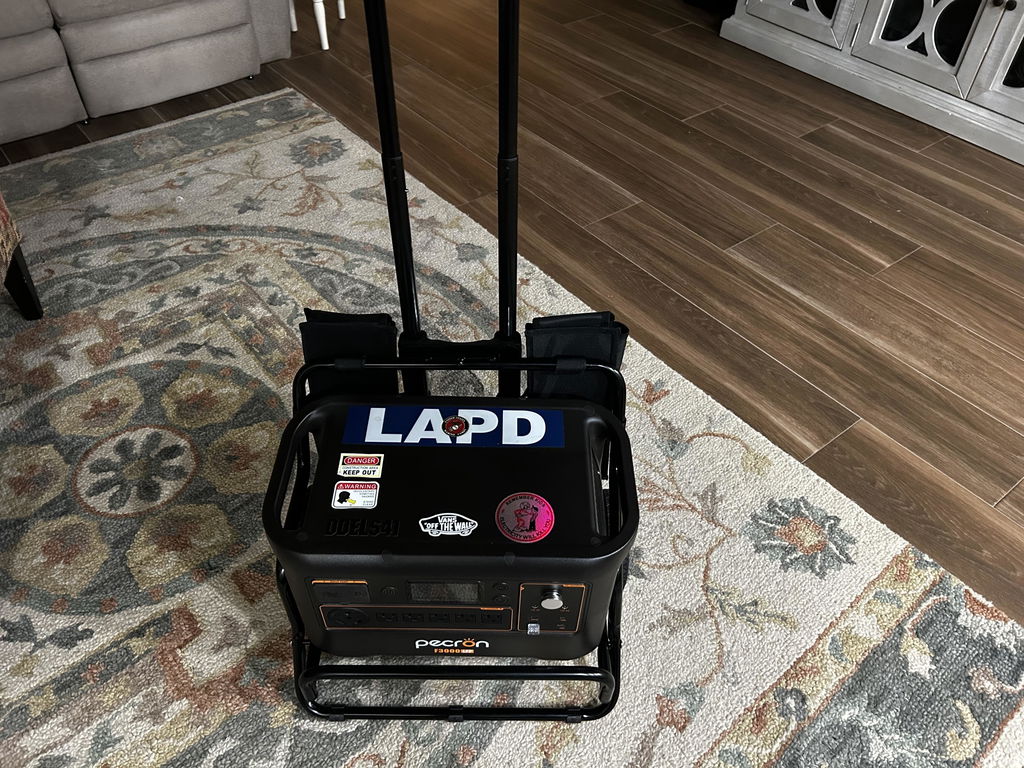
Portable power stations are becoming a popular backup power option for homeowners. These systems store electricity in a rechargeable battery and provide AC outlets that can power certain household devices, including some sump pumps.
A portable power station can be useful because it is not limited to one purpose. In addition to providing backup power for a sump pump, it may also be able to run lights, a refrigerator, WiFi equipment, medical devices, or small appliances during an outage.
Some models can also be recharged from a wall outlet, solar panels, or a generator, depending on the system.
The key is making sure the power station is properly sized. Not every portable power station can run a sump pump. You need to confirm:
A portable power station may be a good option if:
The limitation is that many portable power stations are not designed to automatically detect a sump pump emergency unless they are set up properly. For critical basement protection, automatic operation should always be considered.
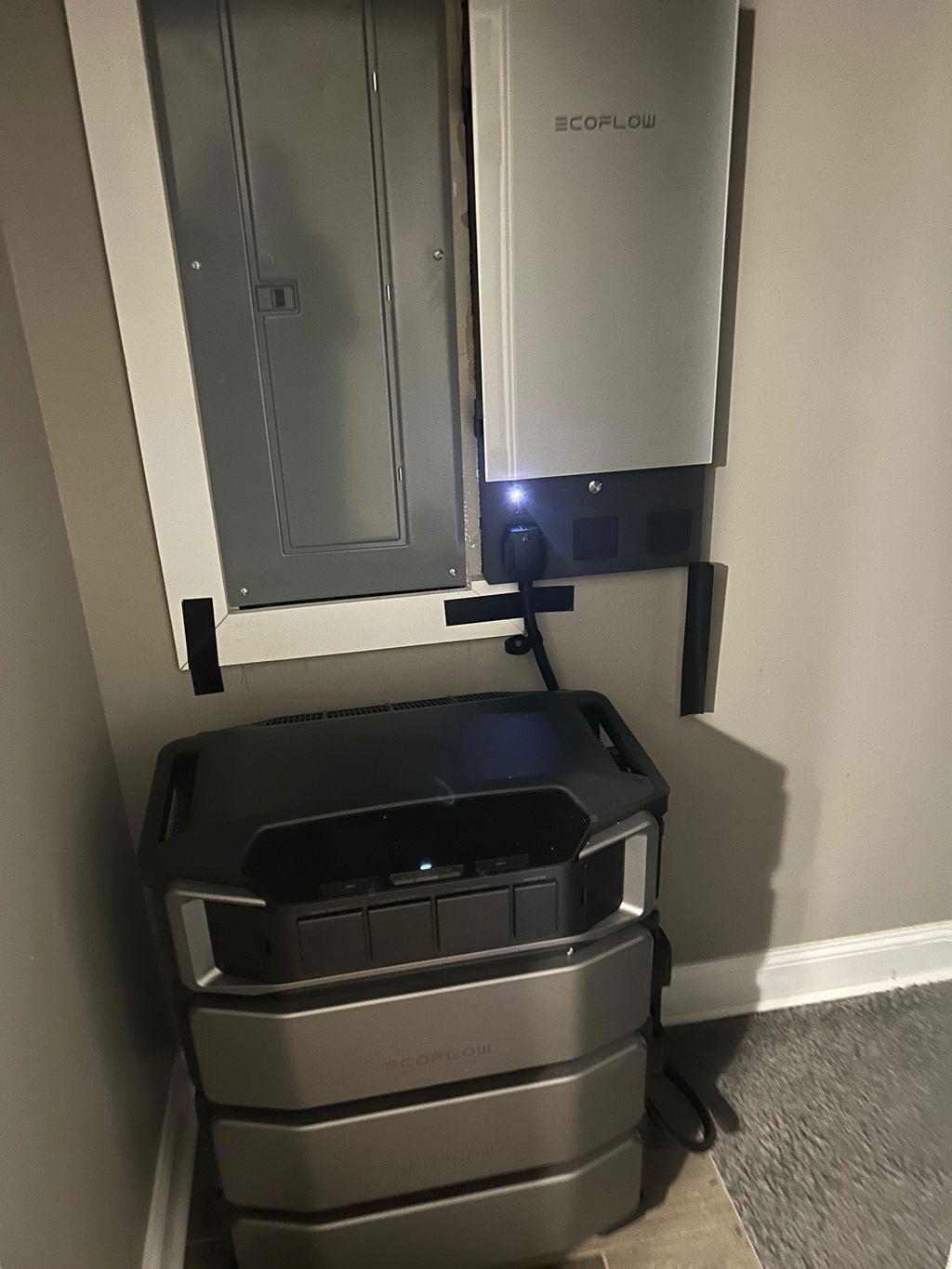
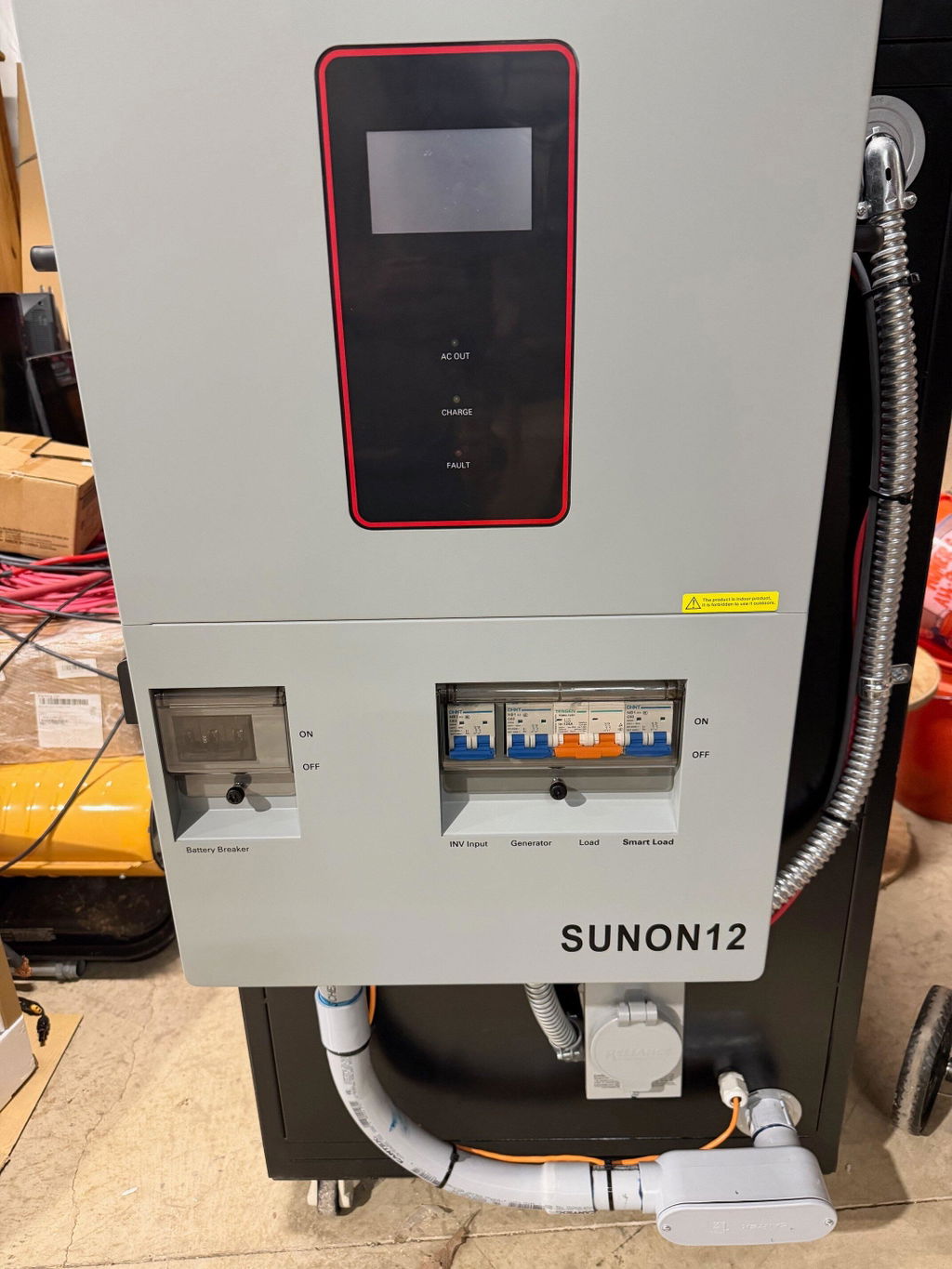
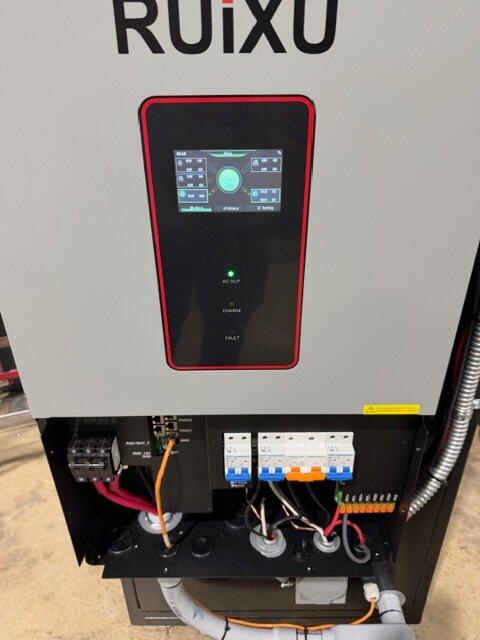
For homeowners who want more complete outage protection, a sump pump can also be supported by a larger backup power system.
This may include:
These options can power more than just the sump pump. Depending on the size of the system, they may support refrigerators, freezers, lights, internet equipment, furnace blowers, well pumps, outlets, and other essential circuits.
A generator or larger backup power system may be a good choice if:
However, generators are not always instant. Portable generators often need to be moved outside, fueled, started, and connected safely. That can be difficult or dangerous during heavy rain, high wind, or overnight outages.
That is why many homeowners use both: a sump pump battery backup for immediate automatic protection and a generator or larger power system for extended outages.

A sump pump battery backup and a generator can both protect your home during an outage, but they solve the problem in different ways.
A battery backup system is usually best for immediate, automatic protection. It is quiet, can be used indoors when properly installed, does not require fuel, and can activate if you are not home.
A generator is usually better for longer outages and larger power needs. It can run multiple appliances or circuits, and it can continue operating as long as you have fuel. However, most portable generators require setup, outdoor placement, fuel storage, and safe connection to the home.
Here is the simple way to think about it:
A sump pump battery backup is ideal for fast, automatic protection.
A generator is ideal for longer-lasting backup power.
For many homeowners, the best answer is not either-or. A battery backup can protect the sump pump immediately when the power goes out, while a generator or larger backup power system can provide extended support if the outage continues.
The runtime of a sump pump battery backup depends on several factors.
The biggest factors are:
One important thing to understand is that sump pumps do not always run continuously. In many homes, the pump turns on for a short period, removes water from the pit, and then shuts off. This cycling pattern can make battery backup last much longer than it would if the pump were running nonstop.
For example, a sump pump that runs for 30 seconds every 10 minutes will use far less power than a sump pump that runs almost continuously during a severe storm.
That is why runtime estimates can vary so much. A battery backup might last many hours under moderate conditions but much less time if the pump is cycling constantly.
When choosing a system, do not size it only for normal conditions. Think about the worst realistic storm scenario for your home. If your sump pump runs often during heavy rain, choose more battery capacity than you think you need.
The best sump pump battery backup system is the one that matches your pump, your home, and your risk level.
Here are the most important things to consider.
Start by checking the power requirements of your sump pump. You need to know both running watts and starting watts.
Running watts are the amount of power the pump uses once it is operating. Starting watts, or surge watts, are the extra power the pump may need for a brief moment when it first turns on.
This matters because a backup power system that can handle the running watts may still fail if it cannot handle the startup surge.
If you are using a dedicated battery-powered backup pump, make sure the pump capacity is appropriate for the amount of water your sump pit may receive.
Battery capacity determines how much stored energy is available. More capacity generally means longer runtime, but actual runtime still depends on how often the pump runs.
If your sump pump rarely runs and you only need short-term protection, a smaller system may be enough.
If your sump pump runs frequently or your basement is highly vulnerable, larger battery capacity is a safer choice.
In general, homeowners with finished basements, previous flooding, or frequent power outages should lean toward more backup capacity.
A sump pump backup system should work even if you are asleep, traveling, or away from home.
Automatic operation is one of the biggest advantages of a battery backup system. If the water level rises or the power goes out, the system should activate without requiring you to plug in cords, start equipment, or flip switches.
This is especially important because many basement floods happen overnight or when homeowners are not home.
A backup system is much more useful if it tells you when something is wrong.
Helpful alerts may include:
At minimum, an audible alarm is helpful. For added peace of mind, look for systems that can notify you remotely.
A sump pump battery backup is not something you should install and ignore forever.
Basic maintenance may include:
A backup system is only valuable if it works when you need it. Testing before storm season is one of the simplest ways to avoid a surprise failure.
When comparing sump pump battery backup systems, look for features that improve reliability, safety, and ease of use.
Important features include:
The best system is not always the cheapest one. For a sump pump, reliability matters. The cost of a failed backup system can be far higher than the cost of buying the right system in the first place.

A sump pump battery backup can provide excellent protection, but only if it is chosen and installed correctly.
Avoid these common mistakes:
A small battery may work for a short outage, but it may not provide enough runtime during a long storm. If your sump pump runs often, battery capacity becomes especially important.
Sump pumps can require extra power at startup. If your backup system cannot handle the surge, the pump may fail to start even if the listed running watts look acceptable.
Some portable power stations are excellent for lights, phones, laptops, and small appliances but may not be powerful enough for a sump pump. Always check output rating, surge capacity, and battery capacity.
A backup system should be tested before you need it. Waiting until a storm is already happening is risky.
Batteries do not last forever. Over time, they lose capacity. A battery that worked several years ago may not provide the same runtime today.
If your system requires you to be home and manually connect equipment, it may not protect you during an overnight outage or while you are away.
Backup power is much easier to plan before the emergency. Once a major storm is in the forecast, products may be out of stock, installers may be booked, and there may not be enough time to set up the system properly.
For many homeowners, yes, a sump pump battery backup is absolutely worth it.
Basement flooding can be expensive, stressful, and disruptive. Water damage can affect flooring, drywall, furniture, storage boxes, electrical systems, appliances, and personal belongings. Even after the visible water is removed, moisture can create mold and mildew concerns.
A sump pump battery backup helps protect against one of the most common failure points: losing power when the pump is needed most.
It is especially worth considering if:
A sump pump backup system is not just about convenience. It can help protect your home, your belongings, and your peace of mind.
Yes, a battery backup can run an existing sump pump if the system is properly sized.
The backup power system must be able to handle the pump’s running watts and startup surge. If the system is too small, the pump may not start or may shut down under load.
Before choosing a battery backup, check your sump pump’s power requirements and compare them to the backup system’s output rating.
The right size depends on your sump pump, how often it runs, and how long you want backup power to last.
You should consider:
If your pump runs often during heavy rain, choose a larger battery backup system. If your basement is finished or has flooded before, it is usually better to have more capacity than the bare minimum.
This question can mean two different things.
First, how long will the battery run the pump during an outage? That depends on battery capacity, pump wattage, and how often the pump cycles.
Second, how many years will the battery last before replacement? That depends on the battery type, usage, maintenance, charging quality, and storage conditions.
For best protection, test your battery backup regularly and replace aging batteries before they become unreliable.
Yes, some portable power stations can run a sump pump, but not all of them can.
The power station must have enough AC output to run the pump and enough surge capacity to start it. It also needs enough battery capacity to provide the runtime you want.
Before using a portable power station as backup power for a sump pump, check the sump pump’s wattage requirements and confirm compatibility.
It depends on your home.
A battery backup system is common, flexible, and does not require municipal water pressure to operate. It can work in many different homes and can be paired with a variety of sump pump setups.
A water-powered backup pump uses water pressure to remove water from the sump pit. These systems may be useful in certain homes with municipal water service, but they are not ideal for every situation and may not be allowed in all areas.
For many homeowners, a battery backup is the more flexible option.
A backup sump pump or battery backup can still be valuable even if you already own a generator.
The reason is automatic protection. If the power goes out while you are asleep, away from home, or unable to start the generator immediately, a battery backup can begin protecting the basement right away.
A generator can be excellent for longer outages, but a sump pump battery backup can cover the critical gap between the outage starting and the generator being available.
The best backup power for a sump pump depends on your needs.
For automatic basement protection, a dedicated sump pump battery backup is often the best choice.
For broader emergency power, a portable power station, home battery system, or generator may be a better fit.
For maximum protection, many homeowners combine both approaches: a dedicated battery backup for immediate sump pump protection and a larger backup power system for longer outages.
A sump pump is only helpful if it can run when water is entering your home. During a storm, power outage, or pump failure, that protection can disappear quickly.
A sump pump battery backup gives your home an added layer of defense. Whether you choose a dedicated battery-powered backup sump pump, a battery power system for your existing pump, a portable power station, or a larger home backup solution, the goal is the same: keep water moving away from your home when it matters most.
The right sump pump backup system should be properly sized, automatic, reliable, and ready before the next storm arrives.
If your basement has ever taken on water, your sump pump runs frequently, or you simply want more peace of mind during power outages, now is the time to plan your backup power solution.
Reach out to our friendly power experts and we will be happy to help.
Toll-free & text: 888-976-5443
Email: support@outboundpower.com
placeholder