
100% FREE SHIPPING STOREWIDE. SHOP NOW →
Skip to content

Grid-Tied Solar Power Systems

Shop grid-tied solar power systems designed to integrate solar energy with your home or property for efficient power use and energy management.


Shop All Grid-Tied Solar Power Systems

  • Outbound Power Trust Factors 2.
    Mango Power S Pro 5000W Solar System Set
    Mango Power S Pro 5000W Solar System Set
    Original Price $1,790.00
    Current Price $1,390.00

    Mango Power S Pro 5000W Solar System Set with 97.5% Peak Efficiency for Whole-Home Backup Power You Can Count On When the grid goes down, your life...

    View full details
    Original Price $1,790.00
    Current Price $1,390.00

Grid-Tied Solar Systems Allow You To Power Your Home With Clean Solar Energy And Lower Your Electric Bills

Grid-tied solar power systems are designed to connect directly to your home’s electrical panel, allowing you to generate clean energy and reduce your reliance on the utility grid. These systems convert sunlight into usable AC power and feed it into your home in real time, powering appliances while lowering your monthly electricity costs.

Ideal for homeowners seeking a more permanent and higher-output solution, grid-tied systems can be scaled over time to match your energy needs. Advanced microinverter technology ensures efficient performance at the panel level, while optional monitoring tools provide visibility into your energy production and usage.

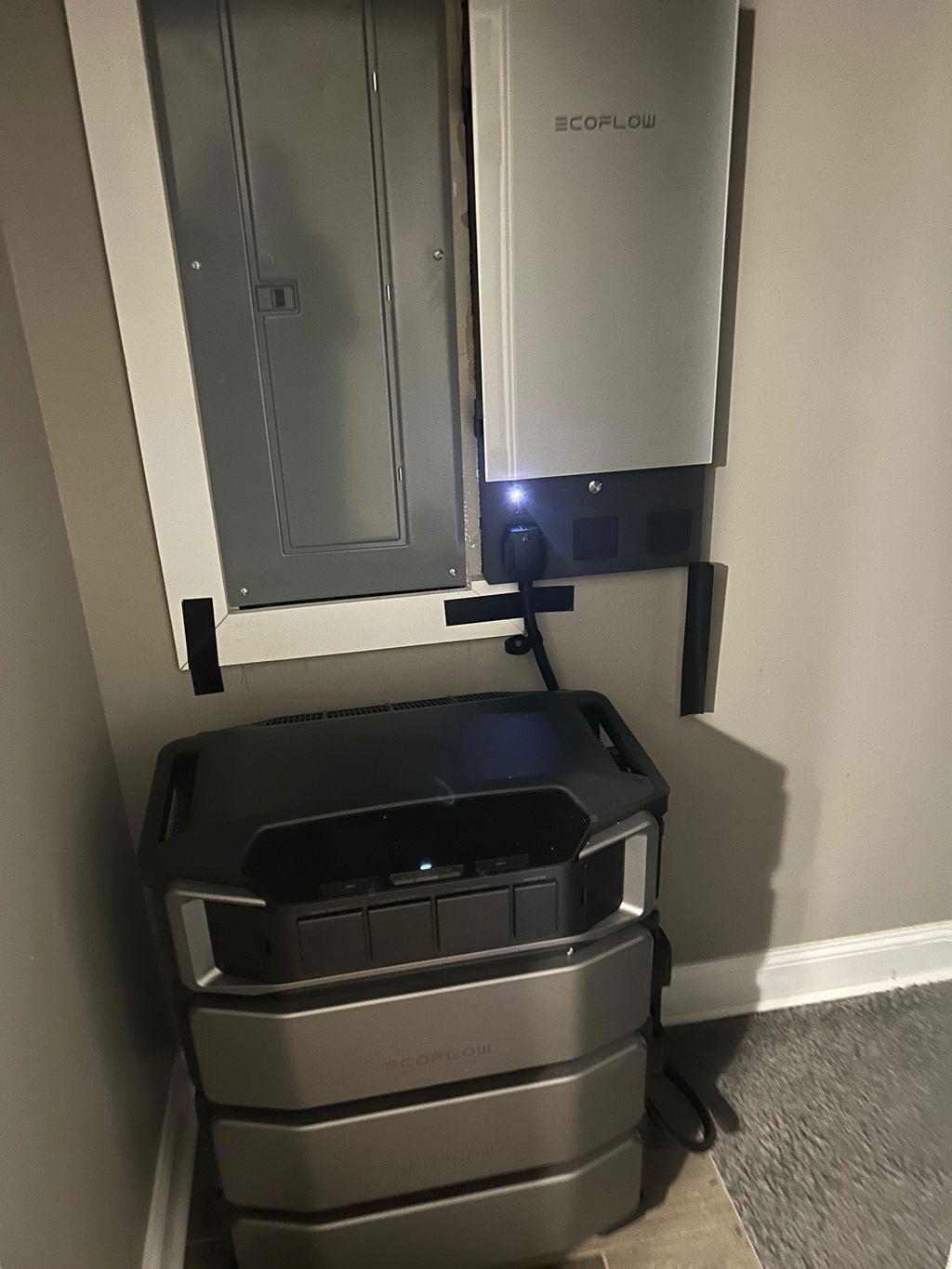
These systems operate alongside the grid, delivering consistent performance and maximizing savings without the complexity of off-grid setups. Please note, grid-tied systems do not provide backup power during outages unless paired with a compatible battery system.

Grid-Tied Solar Power Systems FAQs

What is a grid-tied solar power system, and how does it work?

A grid-tied solar system connects your solar array to your home's electrical system and the utility grid. Solar panels generate DC electricity, and an inverter converts it into AC electricity that your home can use. When solar production is available, that energy can supply household loads and reduce the amount of electricity you draw from the utility. Depending on your utility's rules and system configuration, excess solar energy may also be exported to the grid.

What is the difference between grid-tied and off-grid solar?

A grid-tied system operates alongside the utility grid, while an off-grid system must generate and store enough energy to operate independently. Because the grid can supply electricity whenever solar production is insufficient, a standard grid-tied system does not necessarily require a large battery bank. Off-grid systems generally require batteries and careful planning for nighttime use, cloudy weather, and seasonal changes, making their design and energy-storage requirements more involved.

Do grid-tied solar systems need batteries?

No. A traditional grid-tied solar system can operate without battery storage because the utility grid supplies electricity when your solar panels aren't producing enough energy. Batteries can be added to compatible hybrid systems when energy storage or outage backup is desired. Whether batteries make sense depends on your goals, such as lowering electricity costs, storing excess solar production, or maintaining power during utility outages.

Will a grid-tied solar system work during a power outage?

A standard grid-tied solar system typically shuts down when the utility grid goes out, even if sunlight is available. This anti-islanding protection is important because it prevents the solar system from sending electricity onto utility lines while technicians may be working on them. If you want backup power during an outage, you'll generally need a properly designed system with compatible battery storage, an appropriate hybrid or backup-capable inverter, and the required transfer or isolation equipment.

What is a grid-tied solar inverter, and why is it important?

The inverter is one of the most important components of a grid-tied system because it converts the DC electricity produced by solar panels into AC electricity compatible with your home's electrical system and the utility grid. Depending on the system, you may use a string inverter, microinverters, or a hybrid inverter. The correct inverter must match the solar array's voltage and power characteristics while also meeting applicable utility interconnection and electrical requirements.

How do I determine what size grid-tied solar system I need?

Start with your electricity consumption rather than simply your home's square footage. Reviewing approximately 12 months of utility bills can show how many kilowatt-hours (kWh) you typically use and how that consumption changes throughout the year. From there, system sizing should consider available roof or ground space, local sunlight, panel orientation, shading, solar-panel output, inverter capacity, and how much of your electricity consumption you want solar to offset.

Can I add battery storage to a grid-tied solar system later?

Potentially, yes, but how easy that is depends on the original system design and equipment. A hybrid inverter may already be designed to work with compatible batteries, while other grid-tied systems may require additional equipment or an AC-coupled battery solution. If you think you may want backup power later, planning for battery compatibility when designing the initial solar system can make future expansion considerably easier.

Can a grid-tied solar system lower my electricity bill?

Yes. Solar energy produced and consumed by your home can reduce the amount of electricity you need to purchase from the utility. However, actual savings depend on your system's energy production, household consumption, local electricity rates, utility rate structure, and policies governing exported solar energy. A well-sized system should therefore consider not only how much electricity you use, but also when you use it and how your utility credits or compensates exported power.

Can I expand a grid-tied solar system in the future?

Many systems can be expanded, but expansion depends on available space, inverter capacity, electrical service, utility interconnection limits, and the design of the original installation. Adding panels may also require changes to the inverter or electrical equipment if the existing components cannot accommodate additional solar capacity. If future expansion is likely, choosing scalable equipment and accounting for additional solar capacity during the initial design can reduce complications later.

How do I choose the right grid-tied solar power system for my home?

Start by reviewing your annual electricity consumption, utility requirements, available installation space, shading, and the amount of your electricity use you want solar to cover. You should also decide whether your goal is primarily reducing grid consumption or whether you want battery storage and outage backup as well, since that can significantly affect inverter and system design. Equipment must also comply with applicable electrical codes and utility interconnection requirements. If you're unsure where to start, contact us at 1-888-976-5443 or help@outboundpower.com for personalized recommendations.

Still Need Help Finding Something?

Search below by keyword, product or brand