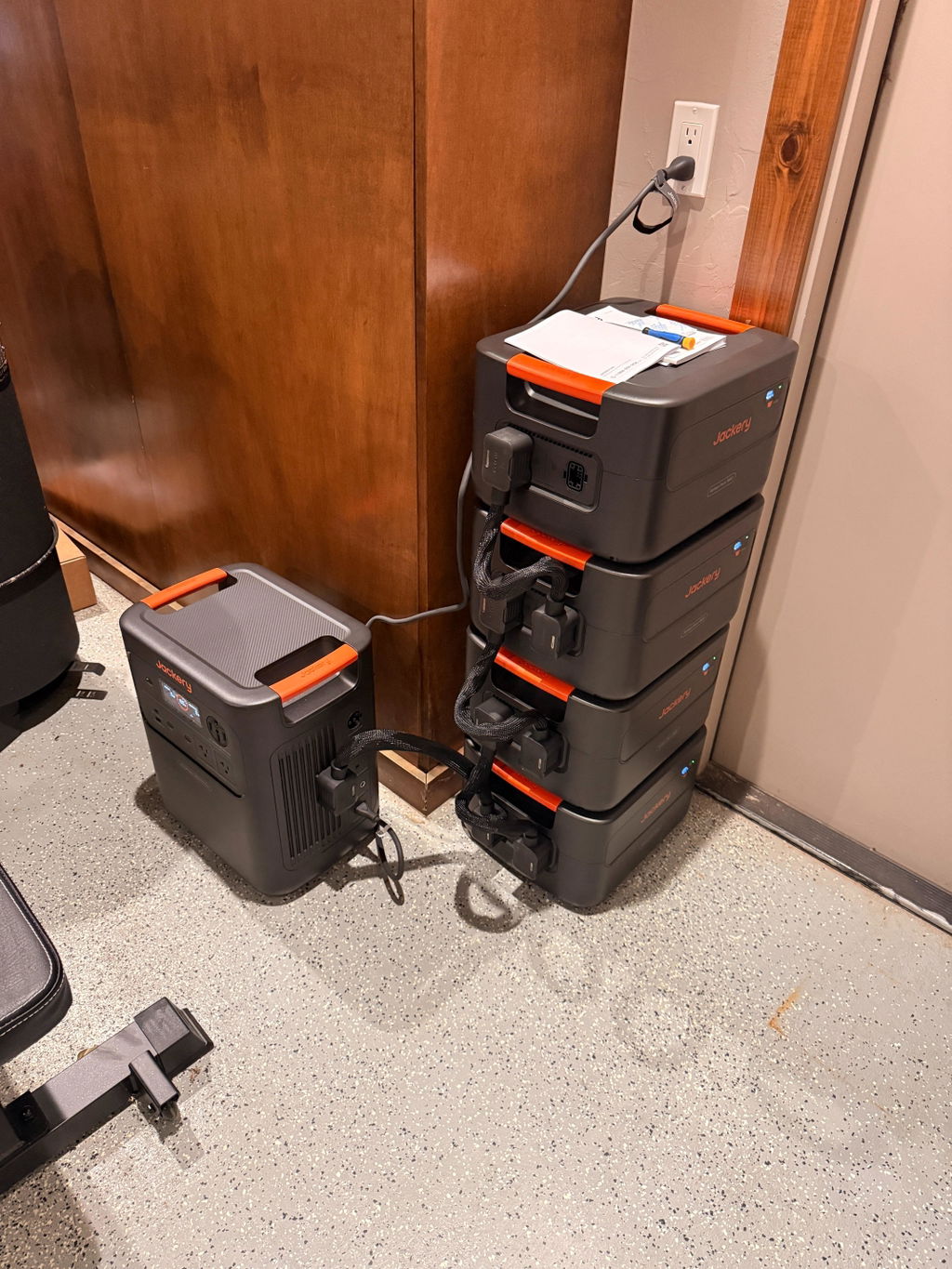
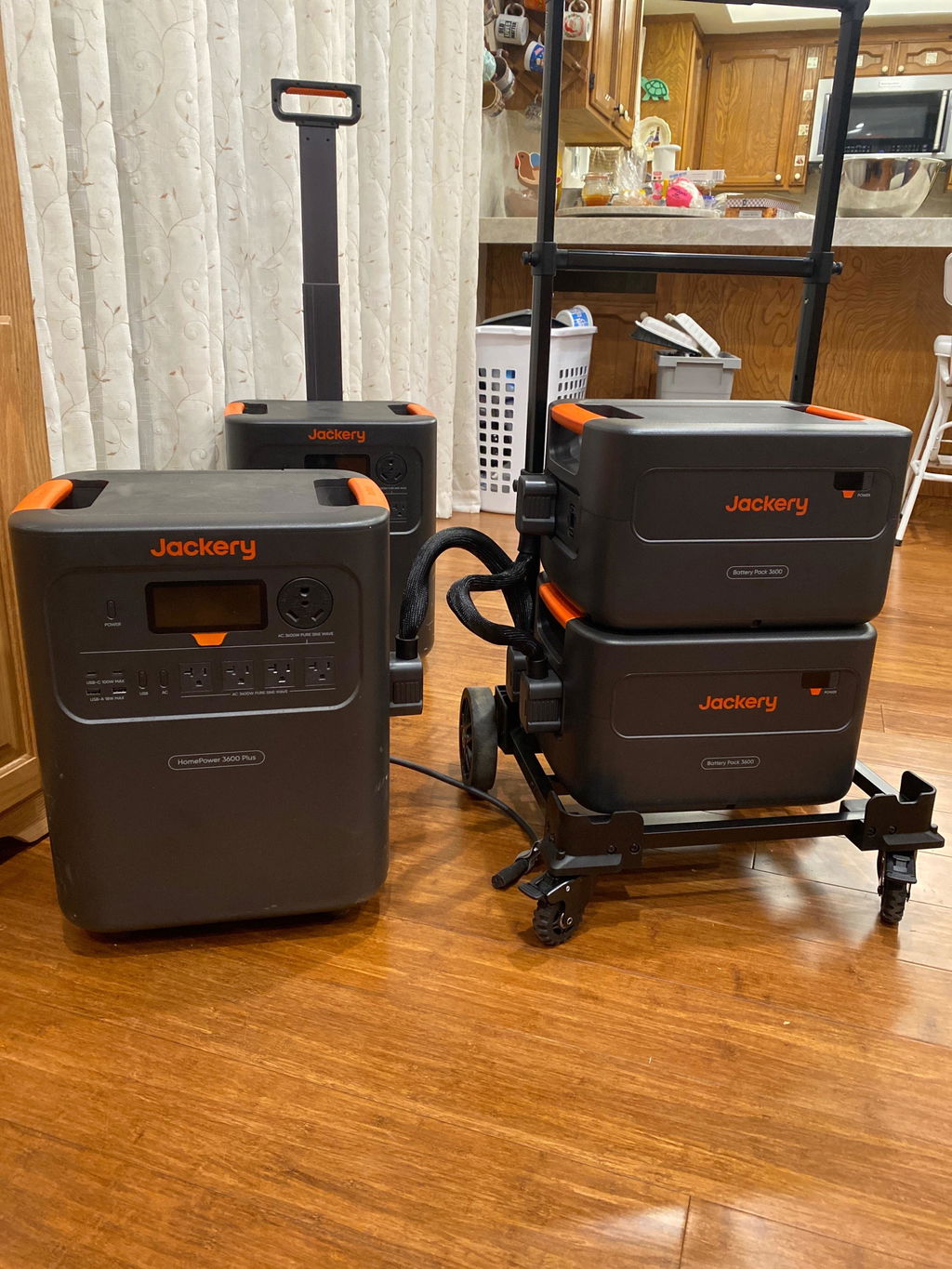
In much of California, backup power means planning for wildfire-season shutoffs as well as storms. Utilities including SCE, SDG&E and PG&E may proactively cut power in high fire-risk conditions. The state's net billing tariff has also changed how solar exports are credited, which makes batteries more valuable for many solar homes. Use this page to find installers by city and check a license with the CSLB.
Find an Installer by City
Don't see your city? Many installers serve a wide area. Check the nearest city, or ask us for help.
Installers Serving California
Alex & Alex Electrical Inc
Los Angeles, CA · Serves Los Angeles and about 30 miles around it
- Electrical panel upgrades
- Transfer switches and smart panels
✔ Installs customer-supplied equipment
Installers listed here are independent businesses, not employees or agents of Outbound Power. We check the items described in our directory standards, but we don't supervise or guarantee their work. Confirm licensing, permits, pricing and warranty terms in your written agreement. Listed in alphabetical order; Verified installers appear first.
Home Backup in California: What to Know
Outages and the California Grid
Southern California Edison, San Diego Gas & Electric and PG&E each run Public Safety Power Shutoff programs that can de‑energize lines in high fire‑risk conditions, sometimes for days in the most exposed areas.
Solar and Batteries
Under the CPUC's Net Billing Tariff, which applies to SDG&E, PG&E and SCE customers applying for solar interconnection on or after April 15, 2023, exported solar is credited at a rate reflecting its value to the grid. That increases the value of storing and using your own solar power.
Incentives and Utility Programs
California's Self‑Generation Incentive Program (SGIP) has funded home batteries, but its residential budgets are largely waitlisted or closed to new applications as of the latest program notices (late 2025 to 2026). Check current status with the SGIP administrator for your utility before you count on a rebate.
Checking an Installer's License
California contractors are licensed by the Contractors State License Board (CSLB). C‑10 (Electrical), C‑46 (Solar) and B (General Building) are the most relevant classifications. The CSLB license check shows status, bonds, workers' compensation and any complaint disclosures.
Permits and Inspections
Permits are issued by your city or county building department. Many offer streamlined residential solar‑and‑storage permits. Your installer normally pulls them.
Questions to Ask Before You Hire a Home Backup Installer
- Are you licensed for this work in California? Ask for the license number and check it with the Contractors State License Board (CSLB).
- Will you pull the permits and schedule the inspections? Permitted work protects your insurance and resale value.
- Have you installed this type of system before? Ask about battery, generator or transfer-switch projects like yours, and which brands.
- Will you install equipment I buy myself? Many installers will. Some only install what they sell. Ask before you buy.
- What's included in the quote? Look for the equipment, panel work, transfer switch, permits, utility paperwork and haul-away.
- What warranty do you provide on your workmanship? It's separate from the manufacturer's equipment warranty.
- How will the system switch over in an outage? Automatic or manual, and which circuits will be backed up.
- Who services the system after installation? Ask who handles maintenance, repairs and warranty claims, and how quickly they respond.
Need Help Choosing Equipment First?
Tell us about your home and what you want to keep running, and an Outbound Power specialist will recommend a system and explain how installation would work. No obligation.
California Home Backup FAQs
Can I still get a battery rebate in California?
How do I check a California contractor's license?
Will a battery get me through a public safety power shutoff?
It can, if it's sized to your essential loads and the expected duration. Solar recharging or a generator input extends runtime. Ask your installer to design around your utility's typical shutoff length.
Can I buy my own equipment and hire a local installer?
Often, yes. Many installers will install customer-supplied equipment, but policies vary. Each listing in this directory shows whether the installer says they do. Confirm with the installer before you buy, and share the exact model so they can plan the installation.
Does Outbound Power install equipment?
No. Outbound Power sells home backup equipment and helps you plan a system. Installation is done by independent, licensed contractors like those in this directory.
How are installers chosen for this directory?
Installers apply or are invited. Before listing, we check their license with the agency that issued it, match their business name, address and phone against their license record and review profiles, and confirm their services and service area. Verified installers have also completed an insurance and reputation review. Directory standards →