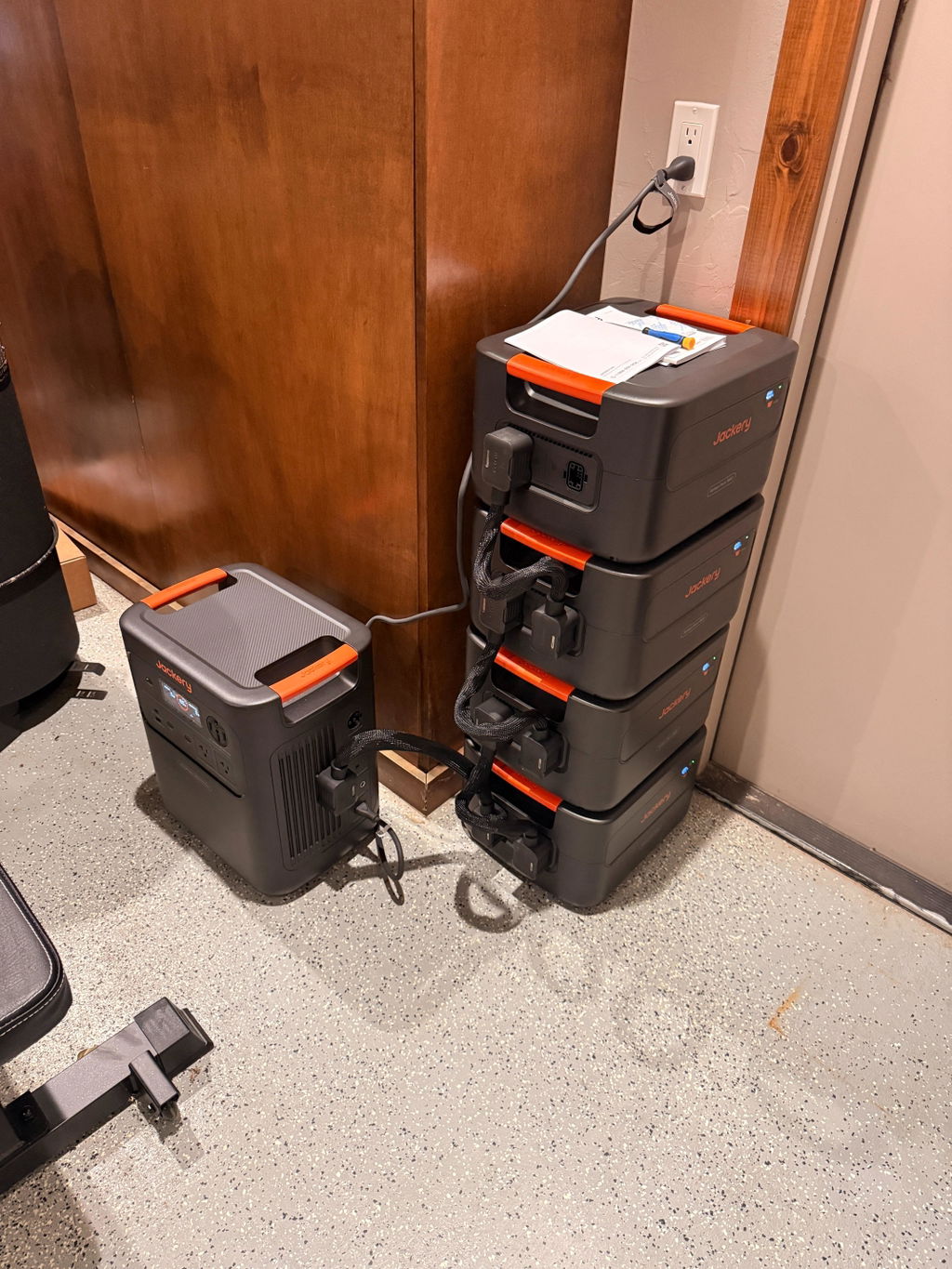
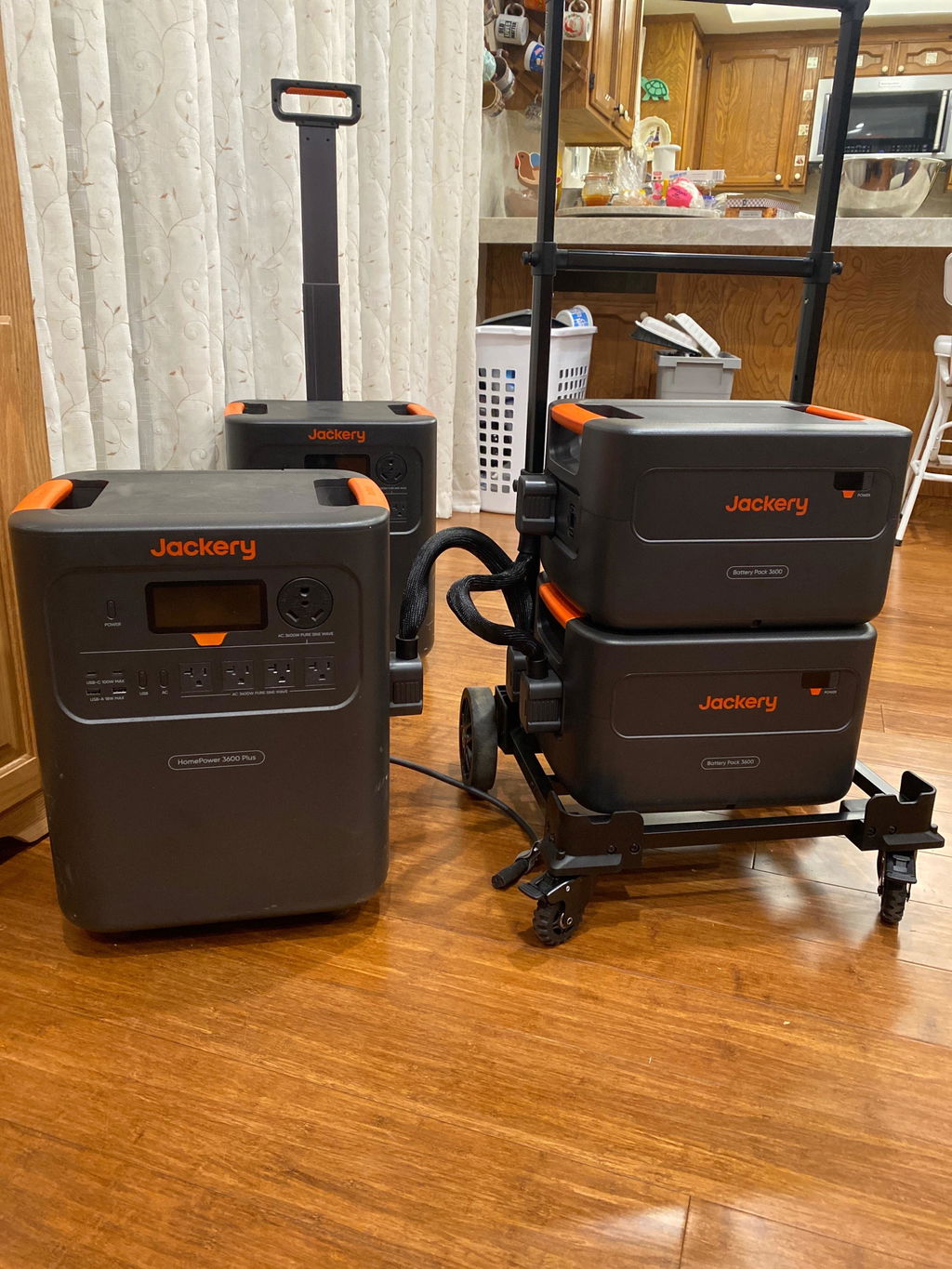
In North Carolina, hurricanes cause more expected damage than any other outage-prone weather, and the outages they bring can last for days. Below, you'll see how to check a license with the North Carolina State Board of Examiners of Electrical Contractors and what to ask before you hire.
Find an Installer by City
City pages for North Carolina are added as local installers join the directory.
Installers Serving North Carolina
We haven't listed any installers in North Carolina yet. In the meantime, our team can help you plan a system and explain what to look for in an installer.
Home Backup in North Carolina: What to Know
Outages and the North Carolina Grid
Hurricanes lead North Carolina's outage‑related weather risks, with about $1.3 billion in expected annual losses in FEMA's National Risk Index, followed by tornadoes and cold waves. Within the state, New Hanover County faces the highest hurricane losses.
Utilities
Duke Energy Carolinas and Duke Energy Progress serve most of North Carolina, Dominion Energy serves the northeast, and electric cooperatives and municipal utilities serve many other communities.
Incentives and Utility Programs
Duke Energy has offered PowerPair incentives for solar paired with a battery, plus bill credits for letting Duke adjust enrolled batteries at peak times. Program capacity is limited, so ask Duke or a Duke Trade Ally installer what's currently open.
Checking an Installer's License
North Carolina licenses electrical contractors through the State Board of Examiners of Electrical Contractors. Check your installer's license on the board's license search.
Permits and Inspections
Electrical permits and inspections come from your county or city inspections department.
Questions to Ask Before You Hire a Home Backup Installer
- Are you licensed for this work in North Carolina? Ask for the license number and check it with the North Carolina State Board of Examiners of Electrical Contractors.
- Will you pull the permits and schedule the inspections? Permitted work protects your insurance and resale value.
- Have you installed this type of system before? Ask about battery, generator or transfer-switch projects like yours, and which brands.
- Will you install equipment I buy myself? Many installers will. Some only install what they sell. Ask before you buy.
- What's included in the quote? Look for the equipment, panel work, transfer switch, permits, utility paperwork and haul-away.
- What warranty do you provide on your workmanship? It's separate from the manufacturer's equipment warranty.
- How will the system switch over in an outage? Automatic or manual, and which circuits will be backed up.
- Who services the system after installation? Ask who handles maintenance, repairs and warranty claims, and how quickly they respond.
Need Help Choosing Equipment First?
Tell us about your home and what you want to keep running, and an Outbound Power specialist will recommend a system and explain how installation would work. No obligation.
North Carolina Home Backup FAQs
Do I need a licensed contractor to install a home battery in North Carolina?
Are there North Carolina incentives for home batteries?
Should I choose a battery, a generator, or both?
Batteries switch over silently and need no fuel, but multi-day outages can drain them. Generators run as long as fuel lasts. Many homes in hurricane areas combine both, recharging the battery from solar or a generator. An installer can size either option to your essential loads.
Can I buy my own equipment and hire a local installer?
Often, yes. Many installers will install customer-supplied equipment, but policies vary. Each listing in this directory shows whether the installer says they do. Confirm with the installer before you buy, and share the exact model so they can plan the installation.
Does Outbound Power install equipment?
No. Outbound Power sells home backup equipment and helps you plan a system. Installation is done by independent, licensed contractors like those in this directory.
How are installers chosen for this directory?
Installers apply or are invited. Before listing, we check their license with the agency that issued it, match their business name, address and phone against their license record and review profiles, and confirm their services and service area. Verified installers have also completed an insurance and reputation review. Directory standards →
Installers in this directory are independent businesses, not employees or agents of Outbound Power. We check the items described in our directory standards, but we don't supervise or guarantee their work. Confirm licensing, permits, pricing and warranty terms in your written agreement.